

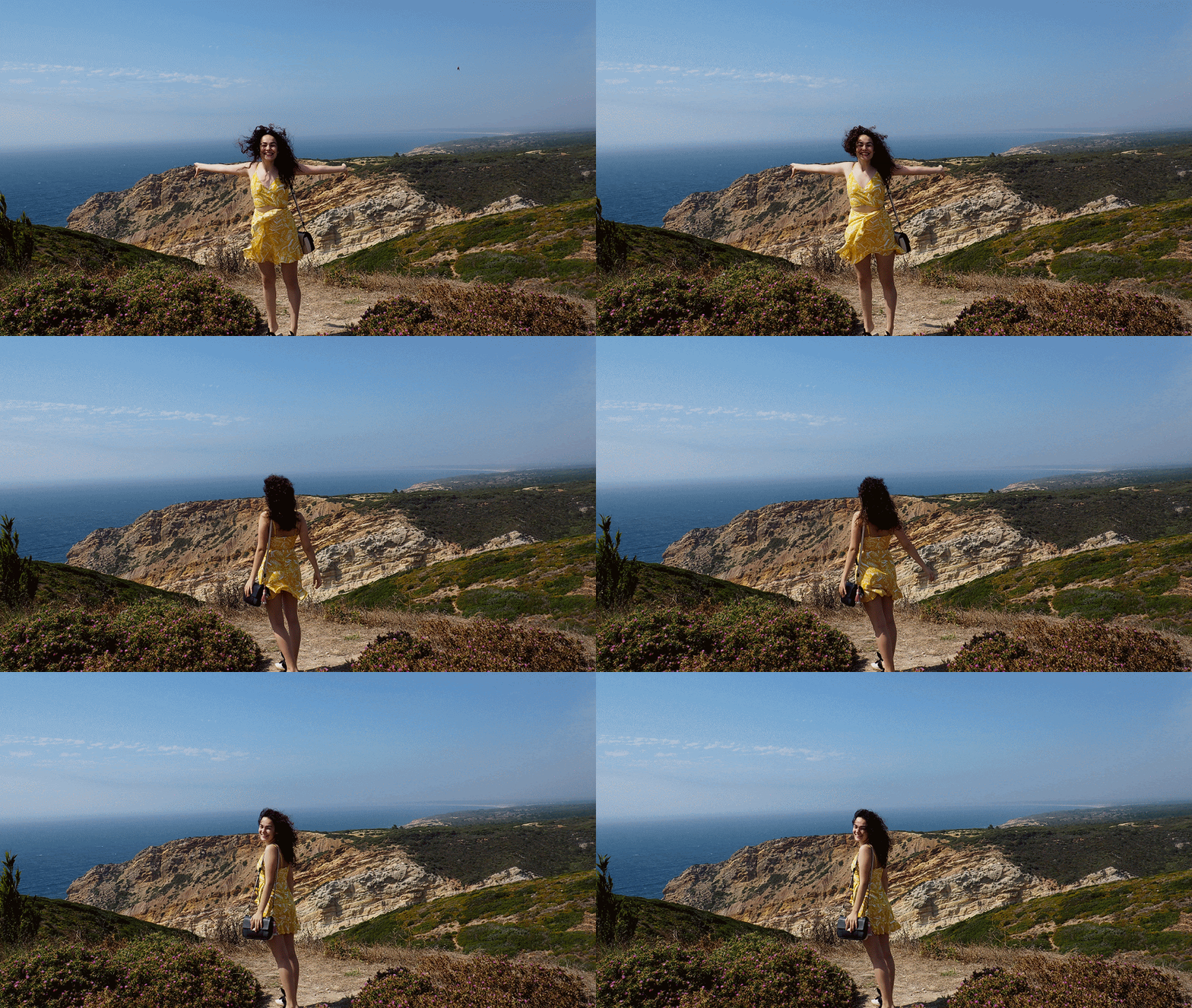
I am a proud paid subscriber to A Reading Life, Petya K. Grade's wonderful newsletter. It is one of my favourite reads, and lately, I’ve been especially enjoying Petya’s interviews with fellow readers (it wasn’t the inspiration for my new Shelfie series, but it very well could be). Maybe one day, a few years from now, Petya will deem me worthy of a feature—but until then, I’m happily stepping into the interviewee role to answer her signature questions myself.
Tell me a little bit about yourself. Are books and reading part of your professional life?
Not as much as I’d like—but I try to sneak them in whenever I can. I’m a journalist based in Lisbon, Portugal, and one of my favourite parts of the job is writing about books and literary events. I’ve been lucky enough to interview authors like Katy Hessel, Alice Oseman, R. F. Kuang, Xiran Jay Zhao, Holly Black, and Samantha Shannon (though, full disclosure: I still need to transcribe those last two interviews—oops). It’s a real joy when my love of reading overlaps with my work.
Beyond that, I run a newsletter (this one!) where I share reading reflections, recommendations, and thoughts on the intersection between books and everyday life. So yes, books aren’t just a hobby for me—they’re a fundamental part of both my work and my identity.
One day, I’d love to work directly with books—at a publishing house, for example. It’s something I’m eager to try and truly believe I have a genuine vocation for. I also write—I’ve always written—and I wouldn’t say no to seeing a book with my name in shop windows someday.
On an average week, how much do you read and when?
When I was younger, with more free time and the glorious luxury of those blessed three-month vacations, I read constantly. On public transport, at the beach, during lunch breaks, after dinner, in the bathroom, while waiting in lines—I’d sneak in pages anywhere I could. Reading was effortless, almost instinctive. It was everywhere.
These days, with less energy and a much busier schedule, I have to be more intentional about it. I usually carve out a little time after dinner and an episode (or two) of a TV show. Nighttime is still when I read the most. But now that I have a baby daughter who loves to be held at all times, I’ve also learned to read during her naps—especially when she’s sleeping on me. Those quiet pockets of time feel stolen, almost sacred.
Once I’m back at work, I expect I’ll return to my old habit of interstitial reading—grabbing five minutes here, ten there. I’ve always believed that those in-between moments are one of the best ways to keep books woven into everyday life, no matter how hectic things can get. And honestly? I still end up neglecting plenty of other things just to read a little more. No regrets.
What do you like to read? Has your taste changed over the years?
I honestly can’t remember a version of myself that wasn’t a reader. There were always books around growing up—stacked on shelves, left on coffee tables, tucked beside beds. But what I remember most vividly is a dark wooden cabinet with glass doors, where the “special” books lived. It felt like a treasure chest: mysterious, slightly forbidden, endlessly inviting.
Still, the books that truly made me fall in love with reading didn’t come from that cabinet. They were the ones my parents gifted us—children’s fantasy series like The Spiderwick Chronicles by Holly Black and Tony DiTerlizzi, and Arthur and the Minimoys by Luc Besson. I was completely enchanted by the idea that magical creatures might be hiding in plain sight, and that ordinary kids, kids like me, could stumble into secret worlds and wild adventures.
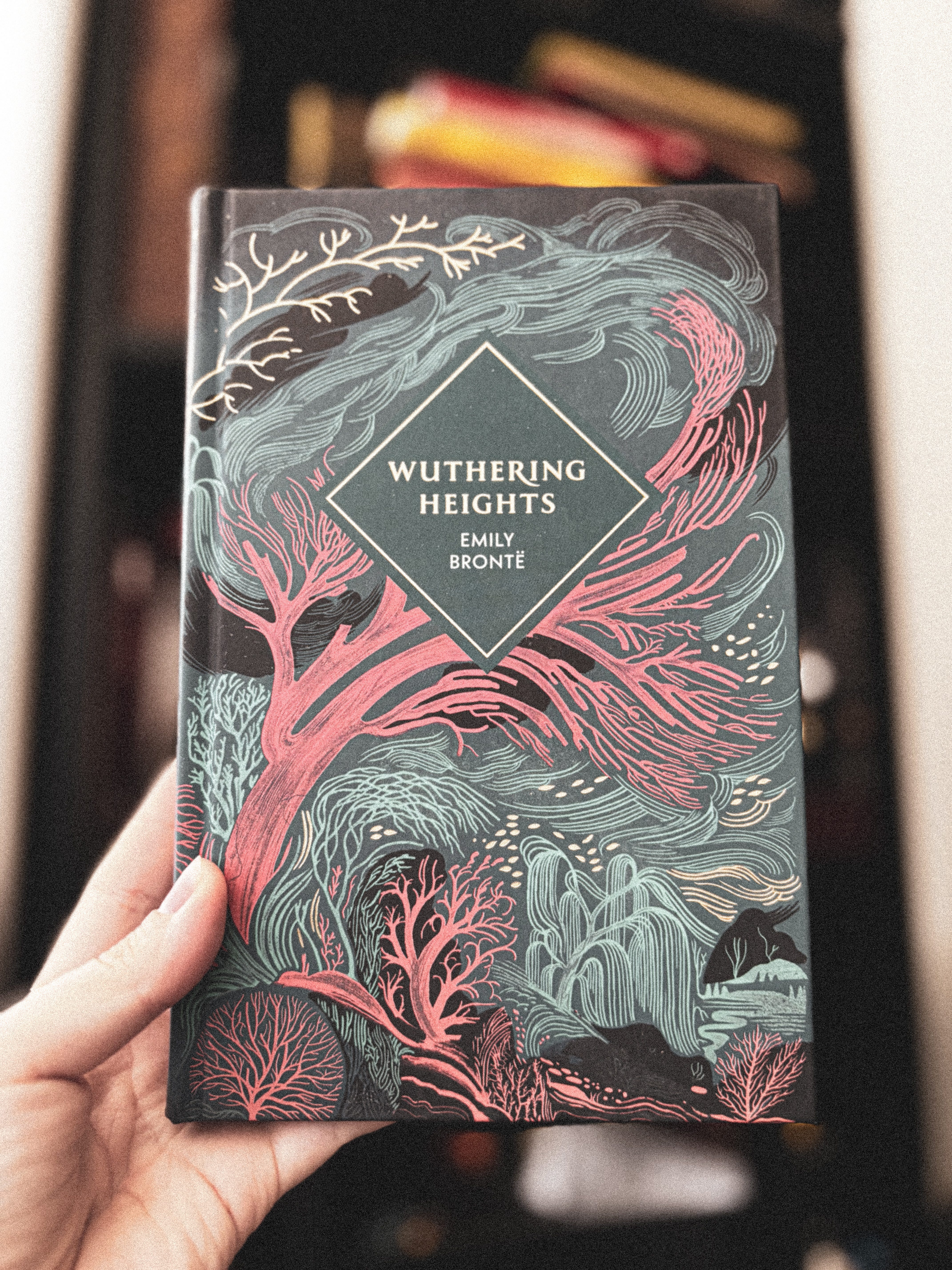
As a teenager, I started branching out: literary fiction, women’s fiction, poetry. I liked the contrast—the heady complexity of one, the emotional immediacy of the other. That was also when I first read Wuthering Heights by Emily Brontë, a book that has stayed with me ever since. Stormy, strange, and utterly consuming, it felt like a fever dream I didn’t quite understand but couldn’t shake—and still can’t.
These days, I still read fantasy and science fiction with the same wide-eyed joy I did when I was ten. I love the imaginative reach of speculative fiction—how it creates whole new worlds while still telling deeply human stories. Authors like Holly Black (yes, still!; here’s a Guide to her’s extended faerie universe), Ava Reid (The Wolf and The Woodsman, A Study in Drowning, and Juniper & Thorn), R. F. Kuang (Babel) and Sunyi Dean (The Book Eaters) remind me why I keep returning to the genre: for the wonder, the weirdness, and the way it makes the familiar feel new again.
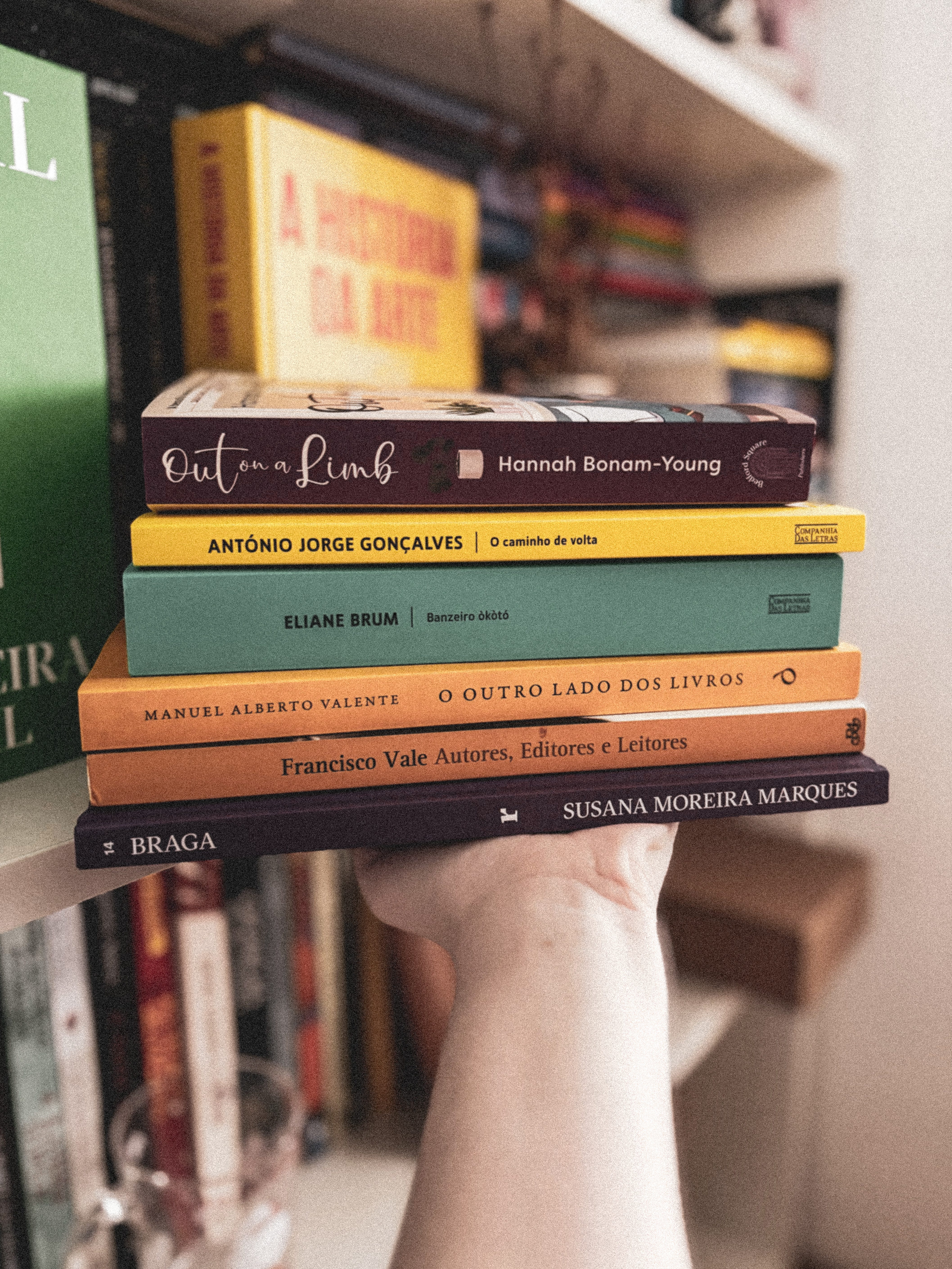
I also have a soft spot for coming-of-age stories and rom-coms, and I’ve been discovering the charm of literary non-fiction, especially when it weaves personal narrative with broader cultural reflections. In that vein, I’ve particularly enjoyed the work of Portuguese author Susana Moreira Marques; one of her books has been translated into English (you can find Now and At the Hour of Our Death here), and another is available in a bilingual edition (Braga is available to purchase here).
Lately, I’ve also been making a conscious effort to read more in Portuguese, especially books by Portuguese-language authors1. It feels important to stay connected to the language I live in and the literary voices closest to home. The literary non-fiction collection from Companhia das Letras, for example, has been a great companion on that journey.
What’s a reading habit you’ve developed that’s unique to you?
Honestly, I don’t think I have any particularly quirky or unique reading habits. But one thing I’m really excited about is starting a sort of family book club with my daughter, Teresa. She’s still a baby, of course, so for now it’s more about reading picture books and lullabies aloud. Still, I love the idea of growing that habit together as she gets older.
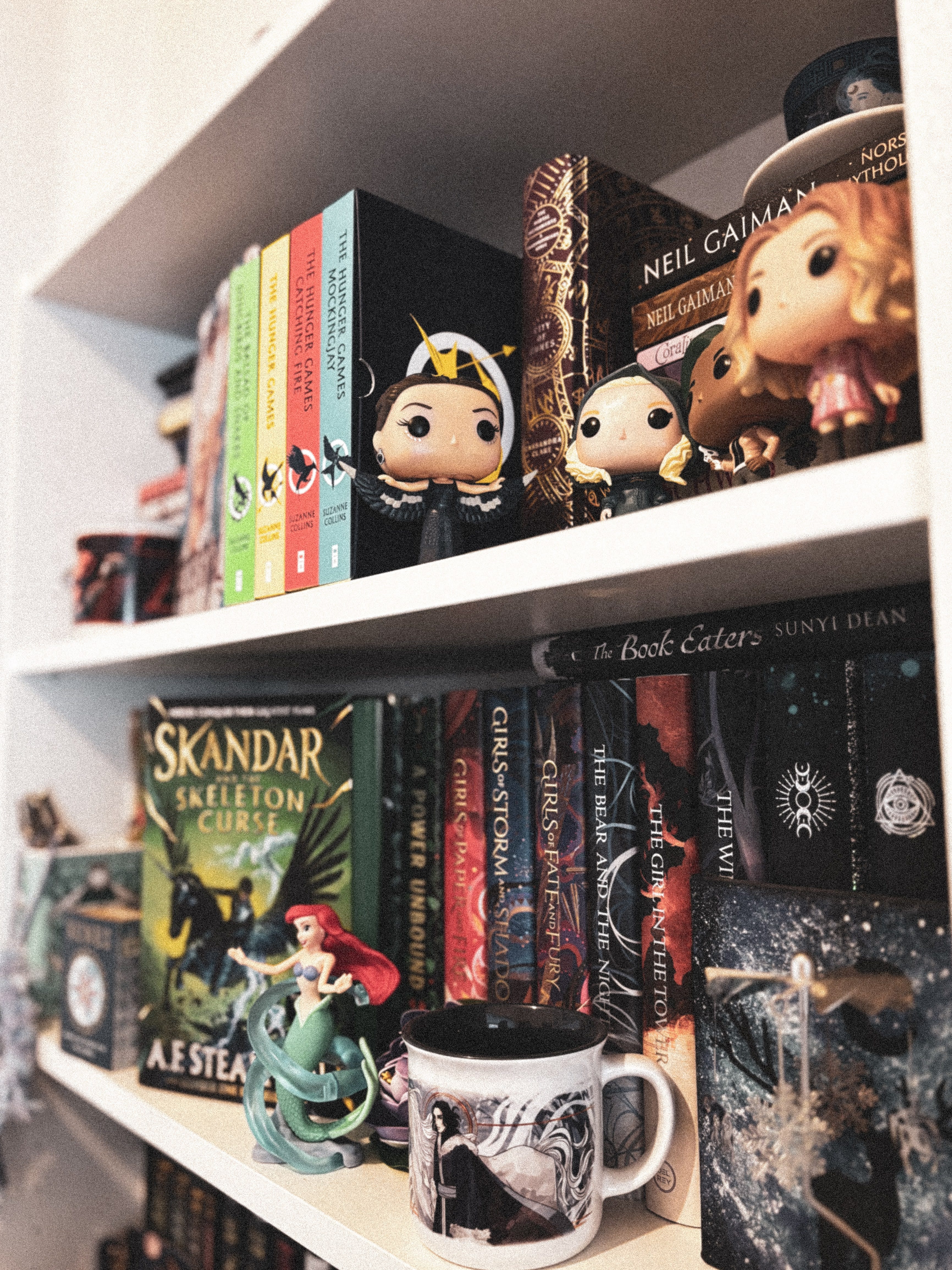
It’s a tradition I’ve already started in a small way with one of my nieces. For the past year, we’ve been doing buddy reads—choosing a book, reading it at the same time (though she almost always races ahead), and then chatting about our favourite parts, plot twists, or characters we’d want as best friends. Right now, we’re finishing the Skandar series by A. F. Steadman, which has been such a fun ride.
Buddy reading is such a special way of staying connected, and I’d love to pass that tradition on. There’s something so powerful about sharing stories with people you love—it turns reading into something communal and alive.
Do you take notes while you read? If yes, are you particular about your materials - notebooks, pens, highlighters vs. pencils, etc?
I never used to annotate my books. I do remember enjoying the occasional pencil underline. Still, it wasn’t until I discovered the Instagram reading community—and later wrote an article on the art of marginalia—that I really got into the habit.
I still can’t bring myself to write directly in my books, mostly because many of them are special editions I might need to resell someday. Luckily, someone invented transparent post-its: they let me jot down thoughts without marking the actual pages. These days, I often add quick notes, connect ideas, or leave reminders to come back to certain passages.
Sometimes I also use sticky tabs. I pick a few themes I want to follow in the book and assign each one a colour. As I read, I colour-code passages that relate to those themes. It’s a straightforward system, but it helps me engage more deeply with what I’m reading—and makes it easier to find my way back to certain ideas later.
Lately, I’ve been thinking about getting a dedicated notebook for my reading life—somewhere to jot down thoughts as they come, whether it’s a reaction to a character, a half-formed idea sparked by a sentence, or just a passage that feels like it was written for me. I imagine it as a sort of informal reading journal, nothing too structured, just a space to capture what lingers after I turn the page. I love the idea of flipping back through it later and seeing how different books left their mark.
How do you keep track of what you read?
Primarily, I log everything on Goodreads because I enjoy having a running list, even if the interface occasionally frustrates me. I’ve also started playing around with StoryGraph for the stats and mood tracking, which are way more satisfying.
Additionally, I maintain a reading spreadsheet. I started with Amanda’s Bookish Brews Reading Tracker—it’s free, super user-friendly, and great for keeping an eye on the diversity of my reading each month. But these days, I rely on a spreadsheet I bought on Etsy from Aubrey K. (highly recommend!). It’s editable and allows me to log what I’m reading, tracking diversity and representation in a way that feels thoughtful. It’s been such a helpful tool for staying intentional.
And then there’s this newsletter, where I write about the books that linger—whether because they were incredible, disappointing, or just made me feel something worth unpacking. That’s become my favourite way to track not just what I read, but why it mattered to me.
Where do you get ideas about what to read?
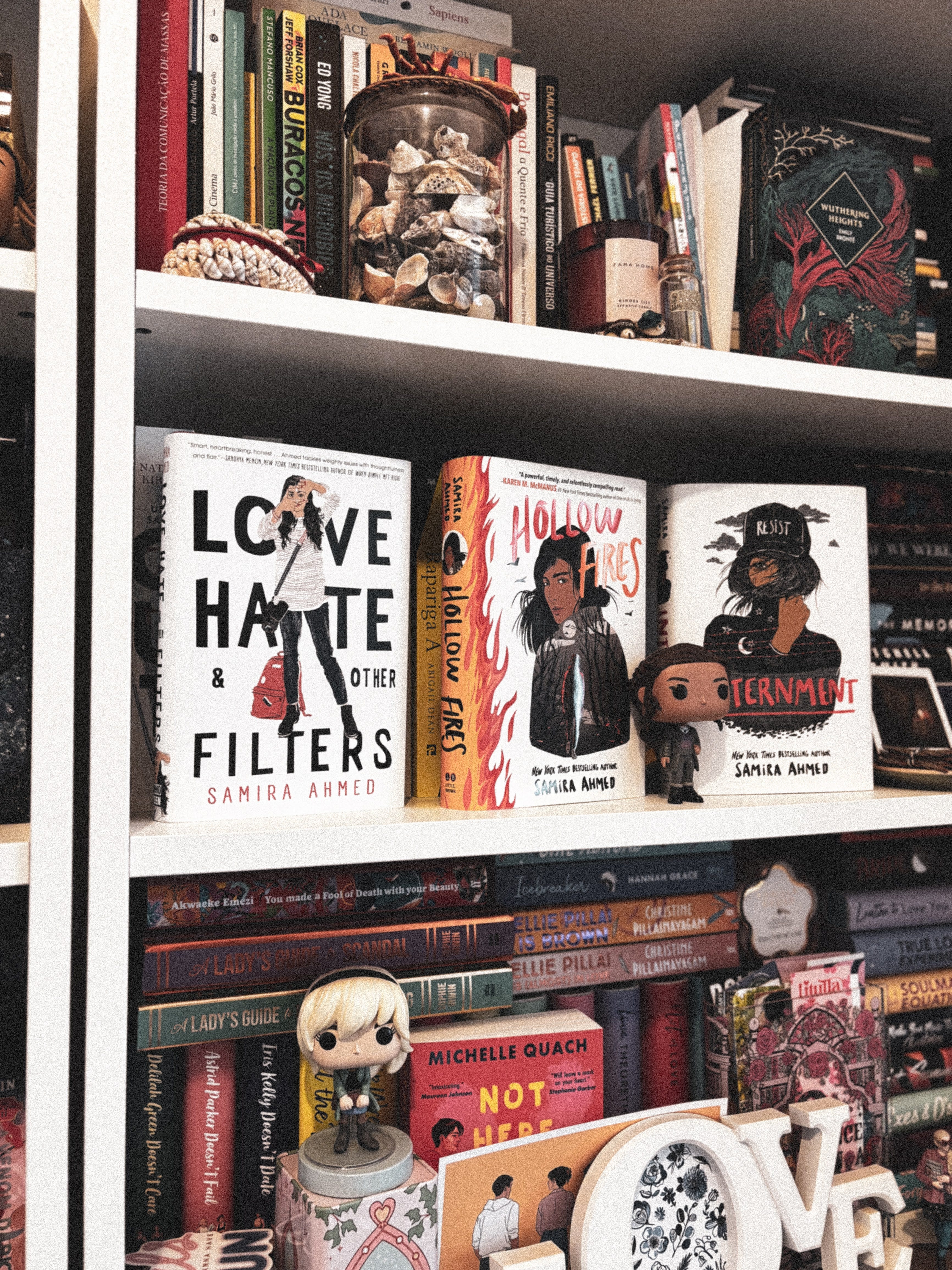
I already have a handful of authors who are instant auto-buys for me—Holly Black, Ava Reid, Samira Ahmed, Ali Hazelwood, and Rachel Lynn Solomon are at the top of that list. Whenever they release something new, I don’t even need to read the blurb—I’m sold. Their voices, characters, and worlds resonate with me in different but powerful ways.
That said, I’m always curious and open to discovering new writers. One of the perks of being a journalist is that I naturally stay plugged into publishing news and upcoming releases. I love tracking trends, spotting emerging voices, and getting excited about promising debut novels.
I also subscribe to FairyLoot’s YA Subscription Box, and follow a few book influencers and literary newsletters (both Portuguese and international), which help broaden my radar beyond the mainstream and introduce me to books I might have otherwise missed.
It’s great to stumble upon a new favourite—someone whose writing feels like it was meant for you, even if you’d never heard of them before. For that, I would also like to thank:
How do you decide what to read next? Are you a mood-reader or a planner?
I want to be a planner. I really do. I have the lists, the colour-coded spreadsheets, the beautifully curated TBR stacks that make me feel organised and aspirational. But if I’m being honest? I’m a mood-reader with a bad case of planner guilt.
The only “system” I’ve ever truly trusted is curiosity. Sometimes that means reading three books at once from entirely different genres. Other times, I let my emotional weather forecast guide me. Am I tired and craving comfort? Stressed and in need of escapism? In the mood for something that’ll make me cry just a little (or a lot)? That helps narrow it down.
So yes, I plan. But I cheat on my plans constantly. And I’ve made peace with that. Reading, for me, works best when there’s room for spontaneity. The surprise of falling into a book I didn’t mean to pick up is half the joy.
When people ask me how come I read as much as I do, I frequently just give them a list of things that I don’t do as regularly as I probably should: exercise, clean house, spend time with friends. What do you choose NOT to do in favor of reading?
I read between 40 and 60 books a year. And whenever someone asks how I manage it, I usually fight the urge to blurt out, “Because I’m avoiding everything else.” But honestly? I kind of am.
I don’t exercise nearly as much as I should3 (though I maintain that bouncing a baby for hours absolutely counts as resistance training), and my floors are rarely spotless. I’ve become very good at strategically ignoring dust and laundry baskets and telling myself that “rest is productive” whenever I choose to read instead of doing something more virtuous or adult-like.
I also tend to trade screen time for book time—not in a lofty, better-than-you way, but more in a “this plot twist is more fun than doomscrolling” kind of way. And since becoming a mother, I’ve gotten even more ruthless with how I spend my limited scraps of free time. If I have ten minutes, I’d rather read a few pages than tidy up a drawer. (Who’s opening drawers anyway?)
So yes, reading often wins. And I’m okay with that.
Do you have any tips or advice for people who wish they were reading more?
My best advice? Lower the bar. Forget the pressure to read a certain number of books or only to read things that feel “important.”
Start with something that excites you, not what you think you should be reading. Reread a childhood favourite. Pick up a romcom with a ridiculous cover. Try short stories or graphic novels if you’re low on time or attention. Reading counts even when it’s bite-sized.
Also, keep a book close. On your nightstand, in your bag, on your phone—whatever works. The more accessible it is, the more likely you are to sneak in a few pages here and there. (And those little moments add up.)
And don’t be afraid to quit books you’re not enjoying. Life’s too short for reading to feel like a chore. The goal isn’t to become a “better” reader. It’s to find joy in stories again, however that looks for you.
Oh, and if your life feels busy and overwhelming, you don’t have to read more. You just have to remember that even reading a little still counts.
One last thing: reading is so much easier when you’re surrounded by other readers. I didn’t exactly choose my closest friends because of that, but the fact that they read is definitely one of the reasons I love them so much. There’s something deeply comforting about knowing we can talk about books the way other people talk about sports or TV shows. I love trading recommendations, dissecting characters, and sending each other voice notes that start with “okay, hear me out…” and end with another book added to the list.

If you enjoyed this issue, don’t forget to spread the word — the more, the merrier! I’d also love to hear your thoughts, so feel free to reach out. It helps keep this community growing and thriving.

If you’d like to support my writing, here are a few lovely ways to do it (thank you so, so much):
Such as the Portuguese Afonso Cruz, Rui Cardoso Martins, e Dulce Maria Cardoso; and the Brazilian Tati Bernardi and Jeferson Tenório, for example.
I especially love Petya’s Friday Book Chat, where she invites her readers to share the last book they read, the book they are reading right now and the one they plan to pick up next. It’s such a simple prompt, but it always sparks the most delightful conversations and discoveries.
Last year, I did yoga twice a week, which, honestly, is the most consistent exercise I’ve done in my life, unless you count PE classes back in school.
I had to stop myself from restacking every single paragraph, because this is ME on every level. Well, except the baby part. But I have a cat who demands attention and lap time and likes to be held like a baby, so...